

Groundwater Services
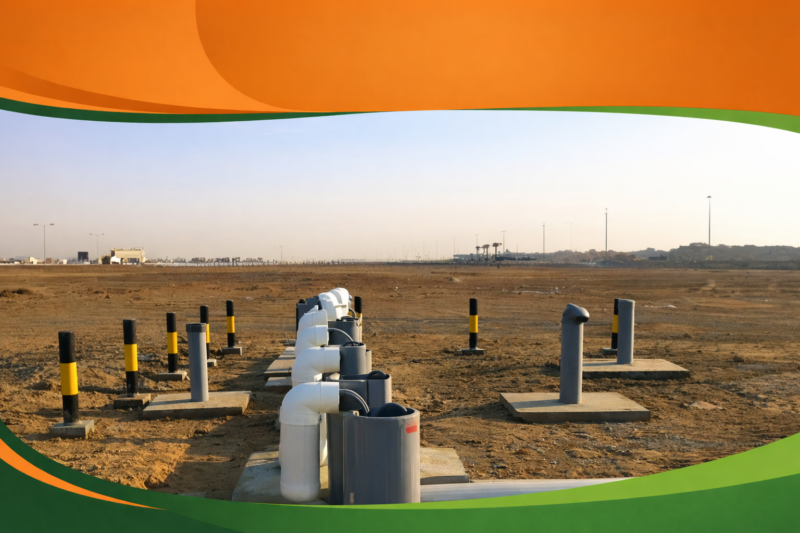
ETC provides comprehensive groundwater investigation and remediation services designed to identify contamination, manage risk, and restore groundwater quality in compliance with national and international standards. Our approach integrates advanced site characterization, modeling, and proven remediation technologies to deliver effective, defensible, and sustainable outcomes.
Groundwater Site Characterization
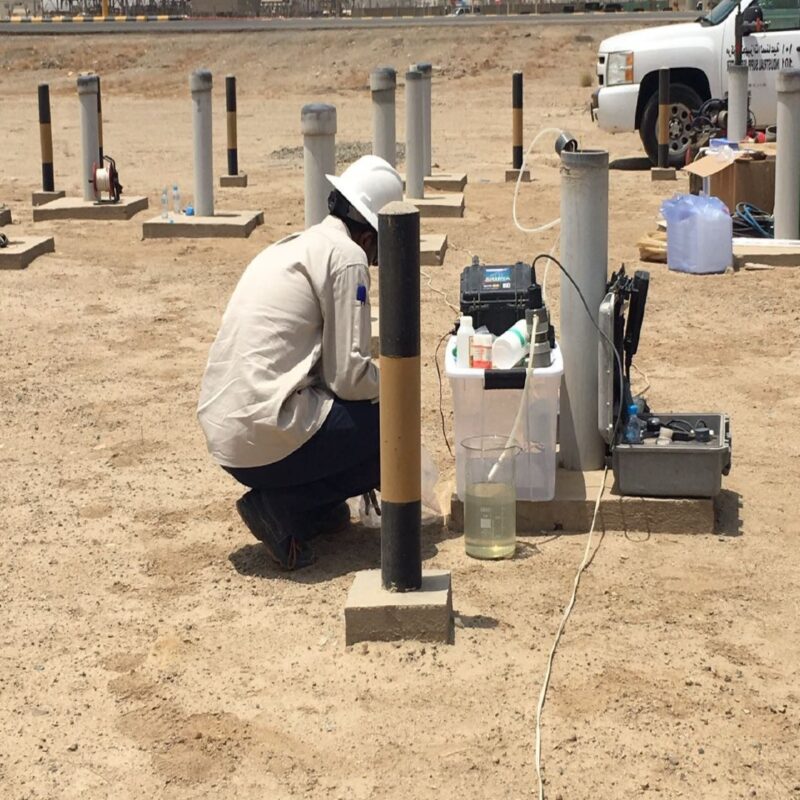
Groundwater characterization is the foundation of all remediation projects. ETC defines contaminant type, concentration, depth, and lateral and vertical extent to establish accurate site boundaries and inform remediation design.
1-Borehole drilling and logging to define subsurface conditions
2-Groundwater and soil sampling for laboratory analysis
3-Field screening and rapid hydrocarbon testing
4-Risk-Based Corrective Action (RBCA) to define cleanup targets
5-QA/QC reporting aligned with international standards
Risk Assessment

ETC evaluates human health and environmental risks associated with groundwater contamination by identifying exposure pathways and regulatory thresholds.
Outcomes
Quantified risk levels
Defined remediation objectives
Regulatory-aligned cleanup criteria
Groundwater Modeling
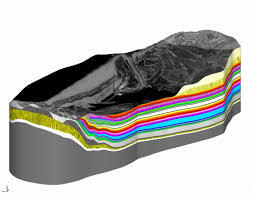
Groundwater modeling is used to simulate groundwater flow and contaminant transport, predict plume behavior, and support remediation system design.
Software Tools
HydroGeo Analyst (HGA): Integrated data management for wells and chemistry
GIS: Spatial analysis, mapping, and plume visualization
Visual MODFLOW Flex: Groundwater flow and contaminant transport modeling
Applications
1-Remedial system design and optimization
2-Performance monitoring and trend analysis
3-Regulatory reporting and compliance support
Groundwater Remediation Technologies
ETC applies a range of in-situ and ex-situ technologies based on site conditions, contaminant type, and project objectives.
NAPL Recovery Technologies
Designed for rapid removal of free-phase hydrocarbons (LNAPL/DNAPL) with minimal site disruption.
Key Benefits
- Rapid deployment (operational within 24 hours)
- High-efficiency multi-well extraction
- Flow-metered performance verification
- Regulatory-compliant operation
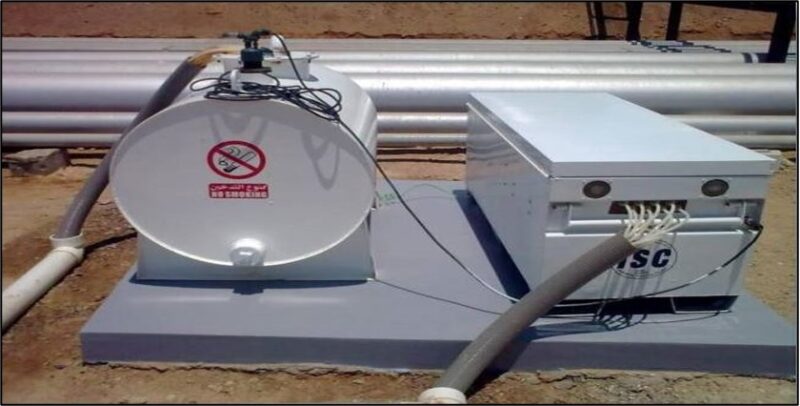
Skimmer Systems
Vacuum-enhanced skimmers recover free-phase hydrocarbons while minimizing water extraction.
Key Benefits
- Cost-effective compared to pump-and-treat
- Efficient hydrocarbon recovery with minimal water handling
- Flexible installation in existing wells
- Proven performance in refineries and tank farms
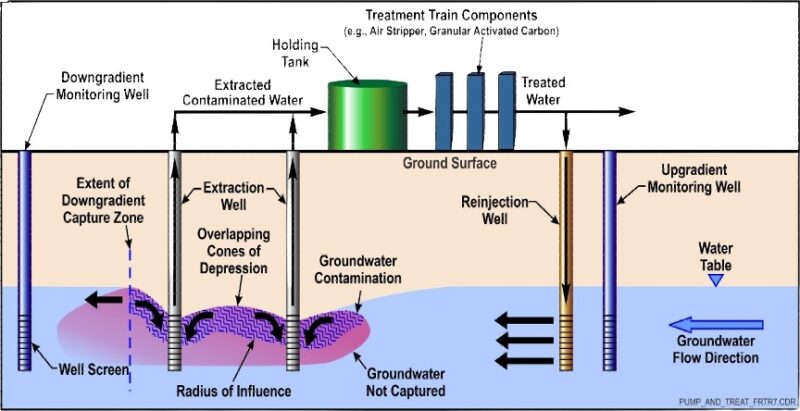
Pump & Treatment Systems
Continuous extraction and treatment of contaminated groundwater to remove oil, dissolved hydrocarbons, and sediments.
Key Benefits
Supports long-term groundwater restoration
Stops plume migration at the source
Treats dissolved-phase DNAPL and LNAPL
Flexible system design for single or multi-well operation
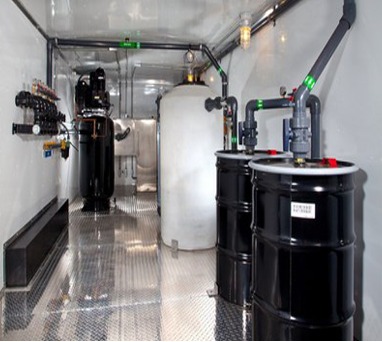
Fixed Multiphase Extraction (FMPE) Systems
Comprehensive contaminant recovery
24/7 continuous operation
Enhanced health and safety protection
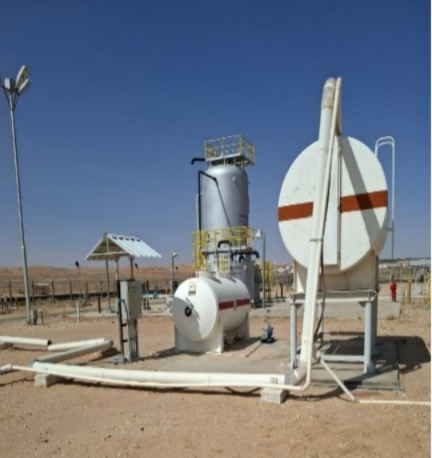
Technologies for Dissolved-Phase Contamination
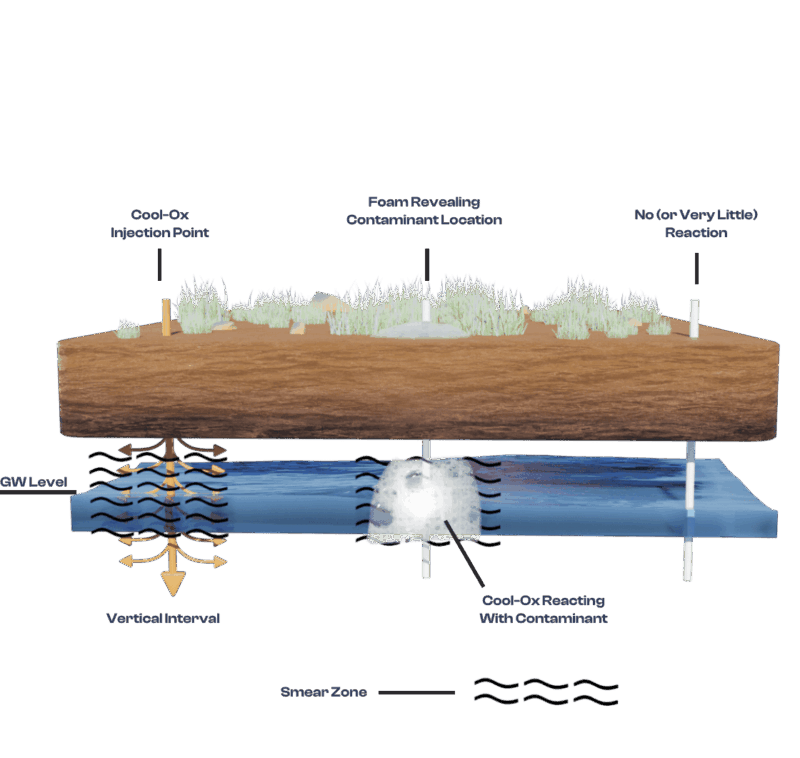
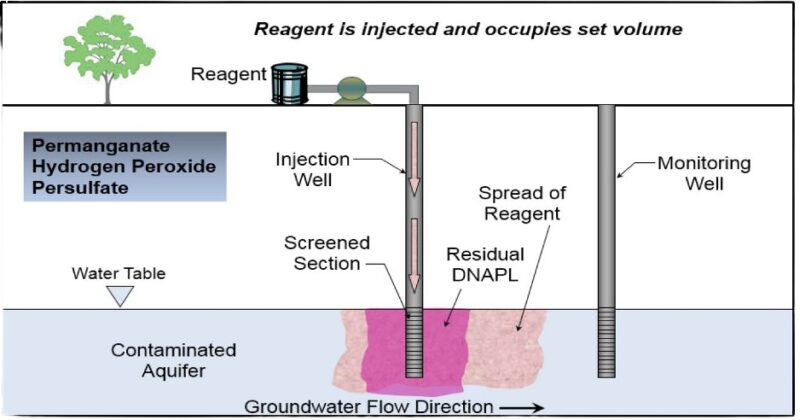
In-Situ Chemical Oxidation (ISCO)
Controlled injection of oxidants to rapidly degrade dissolved hydrocarbons and solvents.
Common Targets
- BTEX, PAHs, MTBE/TBA
- Chlorinated solvents (PCE, TCE, DCE, VC)
- Petroleum hydrocarbons (TPH)
Key Benefits
Verified performance through monitoring
Rapid contaminant reduction
Broad treatment range
Controlled injection without aquifer disturbance
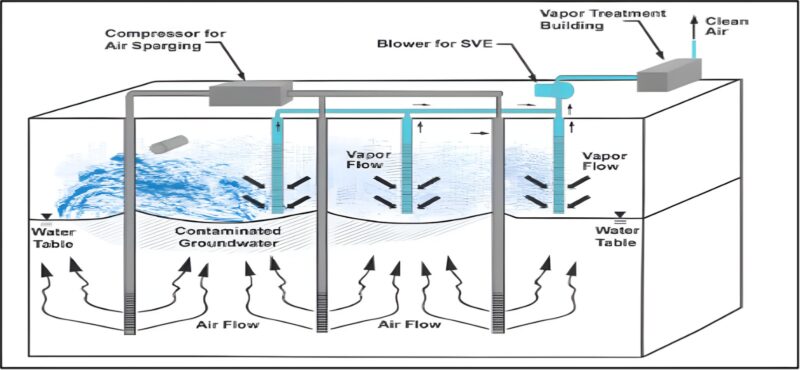
Soil Vapor Extraction & Air Sparging (SVE/AS)
Dual-technology systems for vadose and saturated zones.
SVE: Removes VOCs and SVOCs from unsaturated soils
Air Sparging: Volatilizes hydrocarbons and stimulates aerobic biodegradation
Key Benefits
Accelerated mass removal
Prevents vapor migration
Integrated soil–groundwater remediation
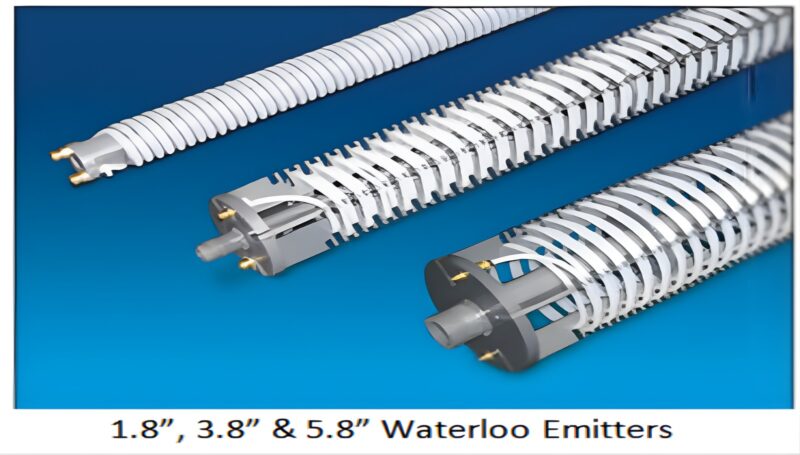
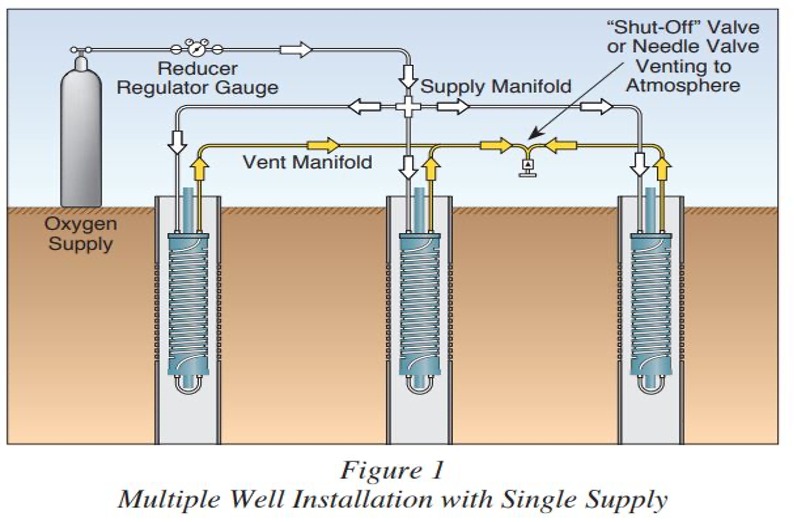
Waterloo Emitter System
Passive in-situ bioremediation technology delivering oxygen or amendments directly into aquifers.
Key Benefits
Data-supported regulatory acceptance
Sustainable long-term remediation
No power or mechanical systems required
Flexible application as primary or polishing treatment
Activated Carbon for Groundwater Treatment
High-adsorption treatment for dissolved organic contaminants.
Key Benefits
Environmentally friendly treatment option
Effective removal of VOCs and hydrocarbons
Improves taste and odor
Regenerable and reusable in many applications
Monitoring, QA/QC & Compliance
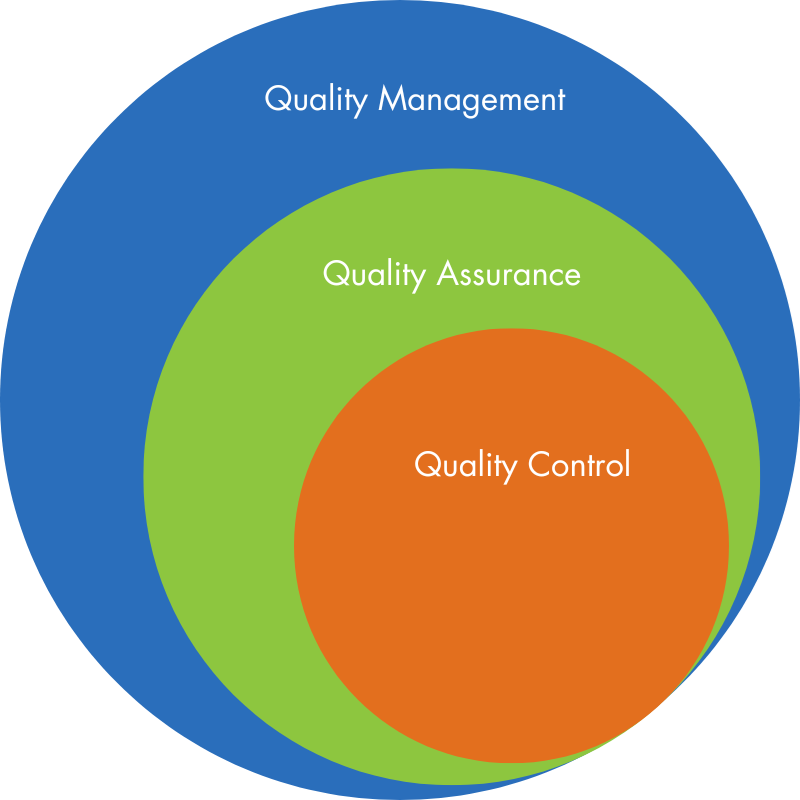
ETC ensures remediation effectiveness through continuous monitoring and rigorous QA/QC protocols.
Monitoring Includes
Groundwater sampling (low-flow methods)
Field parameters (pH, EC, DO, ORP, turbidity, temperature)
Oil, water, soil, and air quality testing
Internal screening and accredited laboratory confirmation
Compliance
Regulatory-ready reporting
Trend analysis and exceedance tracking
Full documentation for audits and closure